

Climate impact
We continuously work to reduce emissions through energy efficiency measures, the use of renewable energy, the phase-out of refrigerants with a high climate impact, and resource optimisation in our construction projects. Our targets—to halve emissions by 2030 and achieve net-zero emissions by 2045—have been approved under the Science Based Targets initiative (SBTi) SME standard.
Over time, we have reduced our direct climate impact (Scopes 1 and 2) while continuing to grow our operations. This has been achieved through ongoing energy efficiency measures, the phase-out of conventional refrigerants, the transition to renewable fuels, and the purchase of renewable energy.
Today, the majority of our climate impact comes from indirect Scope 3 emissions, which account for 94 percent of our total emissions. Scope 2 accounts for 4 percent and Scope 1 for 2 percent.
Scope 1
Scope 1 includes direct emissions from our own operations, primarily from refrigerants, gas consumption and company vehicles. Wihlborgs works to reduce these emissions by phasing out conventional refrigerants, reducing the use of natural gas and gradually replacing fossil-fuelled vehicles.
Scope 2
Scope 2 includes indirect emissions from purchased energy, such as electricity used in our properties, district heating and district cooling. Wihlborgs prioritises renewable and recovered energy and continuously works to improve energy efficiency in order to reduce the climate impact of its property portfolio.
Scope 3
Scope 3 includes other indirect emissions across the value chain, primarily related to project development, material choices, and tenants’ energy use and waste. Wihlborgs works with carbon calculations, resource-efficient solutions and circular practices to reduce these emissions.


Resource use and circular economy
In recent years, we have actively worked to further develop our approach to reuse. An important step has been the development and launch of a reuse strategy, with clearer circularity targets and a more structured approach to making use of materials in our projects. By reusing existing materials, we can reduce the need for new resources, extend the lifespan of materials and avoid discarding items that still have value. We have also strengthened internal knowledge through training, joined CCBuild, and established our own reuse hub for materials that can be given a new life in our properties.
Energy consumption
Using energy more efficiently is an important part of our sustainability efforts. We therefore continuously work to reduce energy use in our properties and develop solutions that make our buildings more resource-efficient. During the year, we have continued to improve the energy performance of existing properties, invested in self-generated solar energy, and commissioned battery storage systems. The batteries are also used for grid balancing services, helping to relieve pressure on the electricity grid during peak demand.
Climate change adaptation
A changing climate places new demands on how cities and properties are developed. We therefore carry out climate risk assessments and preventive measures to strengthen the resilience of our properties, both in new projects and across our existing portfolio. At the same time, we continue to support biodiversity by developing green outdoor environments, implementing measures that strengthen local ecosystems, and establishing beehives on rooftops and in courtyards at our properties.
Sustainable mobility solutions
How people travel to and from our properties has a significant impact on both the urban environment and the climate. We therefore develop properties with good access to public transport, high-quality cycling facilities and charging infrastructure for electric vehicles. We also work to make sustainable everyday travel easier for both our tenants and employees. This includes our participation in Malmö Works, where local businesses collaborate to promote more sustainable travel, as well as in CoAction Lund.
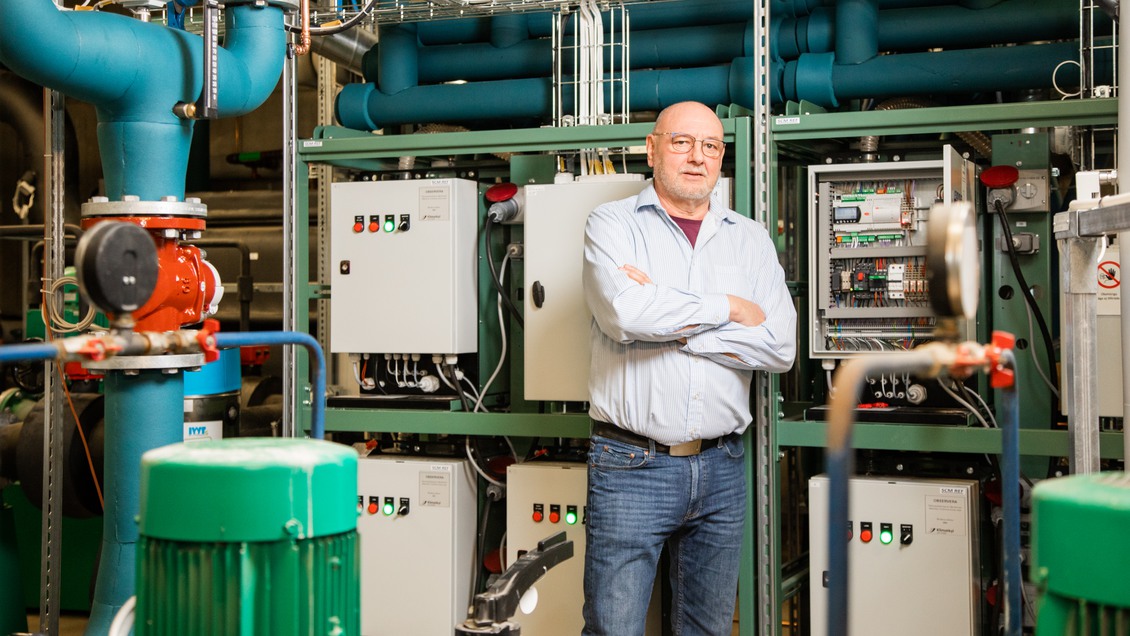
The Janne Solution
Our energy solution recovers heat and cooling – benefiting both the climate and costs.
Read moreWant to learn more about our environmental sustainability efforts?
Please feel free to contact us to learn more about our strategy and future initiatives.

